


Shopify Editions
5 min read
Checkout, payments and fraud: what Shopify Fall '26 changes
Shopify Protect is live, Rollouts can run your Black Friday sale, and checkout custom fields arrive after Cyber Monday. What to switch on, and in what order.
Payments
4 min readUpdated
Our 2019 guide to choosing a payment solution for an online store, covering acquirers, Norwegian providers, costs, conversion and how well they integrate.
By Paal SobergFounder, Think Commerce

We wrote this article in June 2019. Payment providers, their products and Shopify’s checkout have all changed since, so check what is on offer today before you choose.
The right payment solution keeps your costs down, your conversion rate up and the checkout easy for customers. Weigh three things first: what it costs, how it affects conversion, and whether it integrates with your ecommerce platform and is easy to use for you and your customers. Here are the factors that matter most.
To let customers pay by card, you need a payment service provider (PSP) and an acquirer. The acquirer processes the payment and transfers the money to your bank account. The payment provider is the link between your online store and the acquirer.
So the first decision is whether to use a payment solution that includes card acquiring, or to bring in a third party to handle the card payments. Below are payment providers that offered solutions both with and without card acquiring.
In 2019, Collector Bank, Dibs Easy, Klarna and Vipps were strong payment options in Norway. Between them, they offered card payments, invoice payments and complete checkout solutions that combine invoice, card and instalments. With a complete checkout solution you usually don’t need a separate card acquirer.
Collector Bank offered invoicing for online shopping and was used by large online stores such as Boozt and Nelly.
Dibs offered both invoicing and card payments, plus a complete solution called Dibs Easy. It let you accept card and invoice payments without a separate agreement with a third party.
Klarna was a very popular option with its own checkout solution, Klarna Checkout. Customers could pay by card, by invoice or in instalments through their Klarna account. You could also use a single product, such as Klarna Invoice, without replacing your whole checkout. Klarna Checkout included an acquiring agreement, so you didn’t need a third party.
Vipps let customers pay with their mobile phone. They entered their phone number, then paid in the Vipps app with one click. With no wallet to find and no card details to type, the barrier to buying is lower, which can lift both conversion and ease of use. At the time, Vipps was used by over three million Norwegians, which gave stores access to a large customer base.
The most important criteria are cost, conversion rate and user experience. Also check:
Look at costs and fees first. Check the set-up costs and monthly fees carefully, and get the full picture before you sign, so the solution fits your budget. Some providers, such as Klarna and Vipps, suited both new and larger businesses. That makes it easier to grow over time as your budget grows.
Conversion rate and user experience go together. Dibs Easy and Klarna let returning customers pay with one click: the system remembers their details, so they don’t have to enter them every time they shop with you.
Offering several payment methods can help both. Let customers choose the method that suits them and you can sell more. The easier and more hassle-free you make the checkout, the better it converts.
Think about your audience, too. Young adults like paying with Vipps, while invoice and instalment options suit stores that sell more expensive products and services.
Most payment solutions integrate with Shopify, Magento, BigCommerce and other major platforms through their APIs. Most providers list the platforms they support on their websites.
A complete payment solution such as Klarna or Dibs also gives you a clear overview of your accounts, with every payment in one place. You can choose to receive a single payout to your bank account, which makes bookkeeping much faster.
Shopify’s own checkout and payment tools have moved on a long way since 2019. For what is new right now, read what Shopify Fall ’26 changes for checkout, payments and fraud. If you are choosing payments as part of a new store or a move to Shopify, our Shopify Plus build and development team can set it up with you. Talk to us about your store.
Shopify Editions
5 min read
Shopify Protect is live, Rollouts can run your Black Friday sale, and checkout custom fields arrive after Cyber Monday. What to switch on, and in what order.
Shopify Editions
5 min read
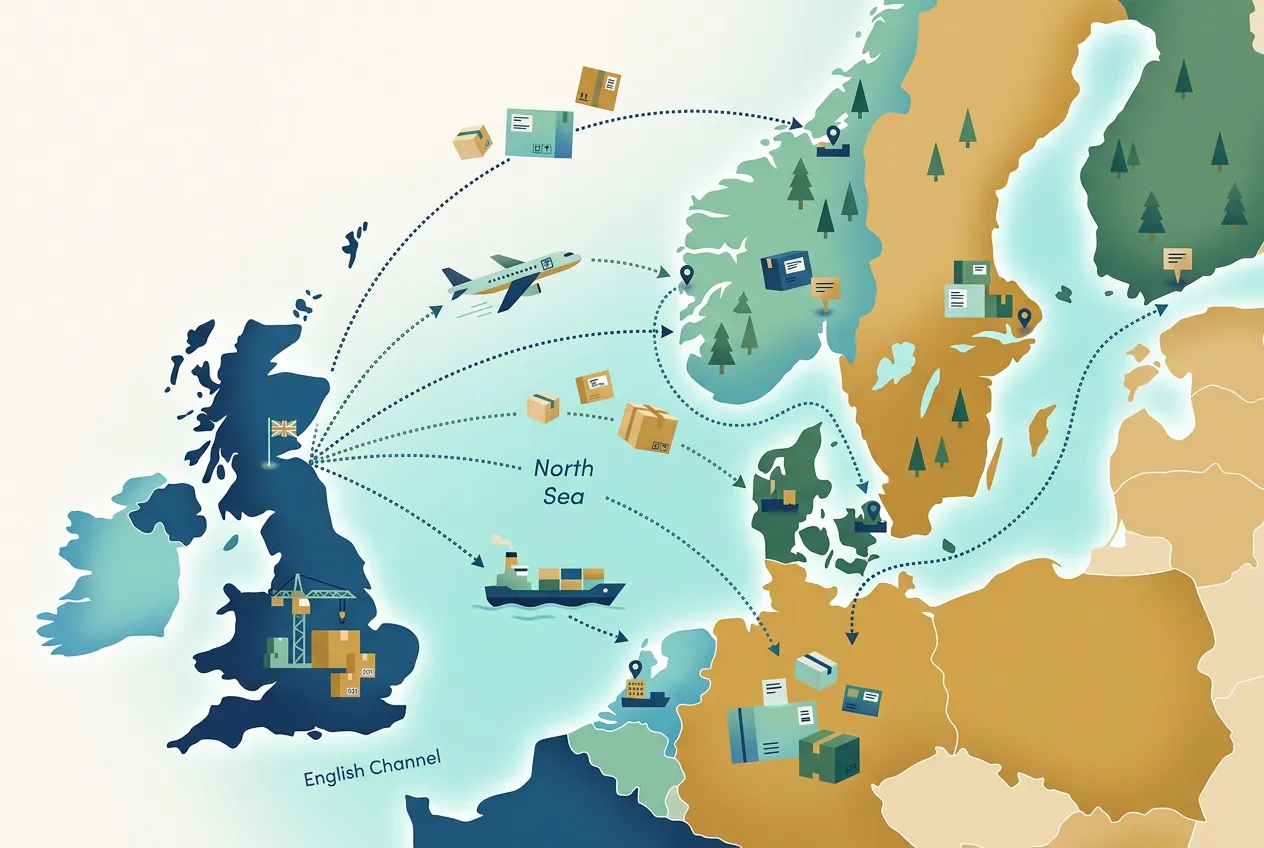
Managed Markets flat rates, per-market shipping and returns, DHL Express labels and the EU withdrawal rule: what Fall '26 means for UK brands selling abroad.
AI
4 min read
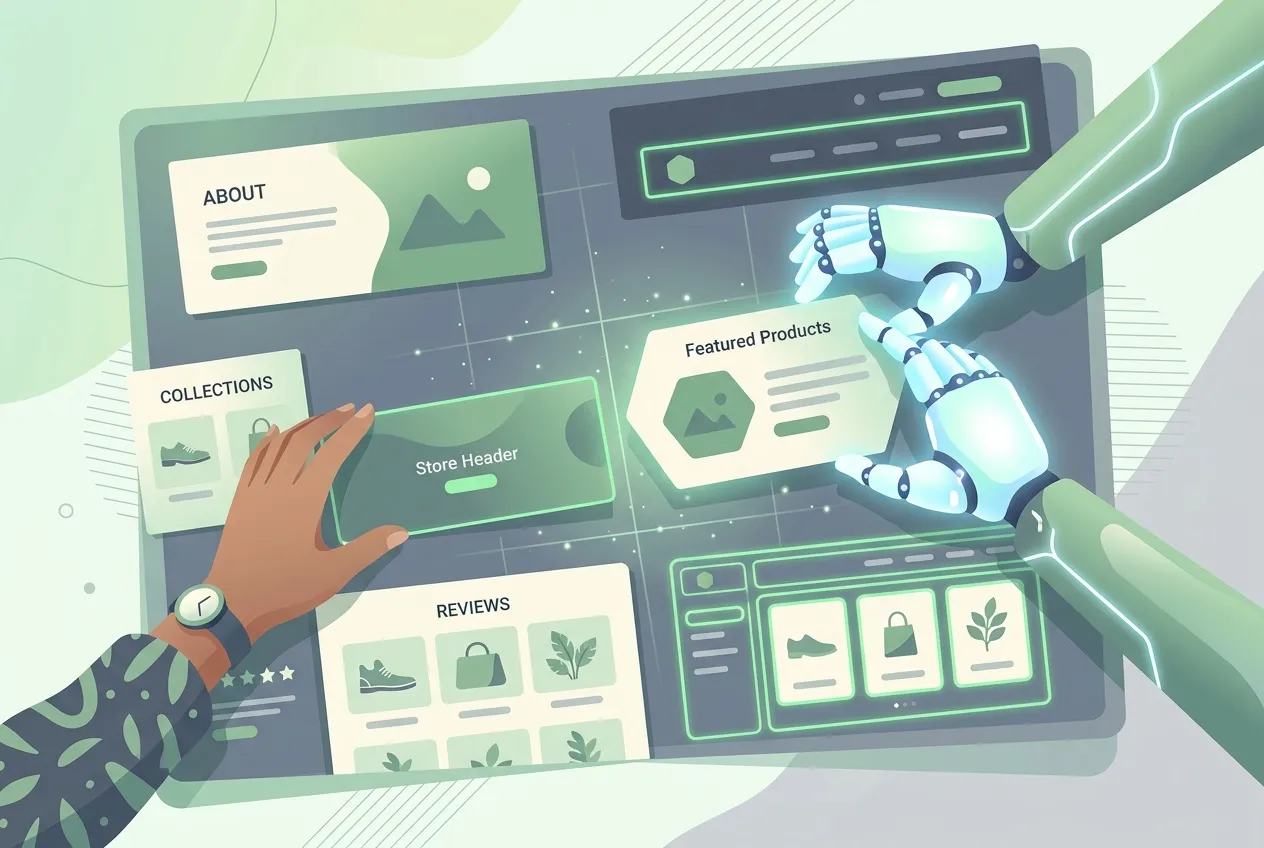
Sidekick now plans, codes and applies bulk changes, and Canvas rebuilds theme editing around it. How to use both, and where to keep a person in the loop.