Shoppers expect personalisation, and brands that get it right earn more from it. In McKinsey’s 2021 research, 71% of consumers expected companies to deliver personalised interactions, and companies that excel at personalisation generated 40% more revenue from those activities than average players. Below, each figure links to the research it comes from, with the year it was published, followed by what the figures mean for an independent Shopify brand.
Some of these studies are several years old. We use them because they are the original research behind figures that are still widely quoted, and we give the year so you can judge them for yourself.
Personalisation drives revenue
Consumer expectations are rising
- 71% of consumers expect companies to deliver personalised interactions, and 76% get frustrated when this doesn’t happen (McKinsey & Company, 2021).
- 91% of consumers are more likely to shop with brands that recognise and remember them and give them relevant offers and recommendations (Accenture Interactive, Personalisation Pulse Check survey, 2018; a survey of 8,000 consumers in the US, UK, Canada, France, Germany, Sweden, Italy and Spain).
- 49% of shoppers have bought a product they did not intend to buy after receiving a personalised recommendation from a brand (Segment, 2017 personalisation survey; a survey of 1,006 US adults).
Personalised email beats generic email
Mobile personalisation is critical
Privacy and trust are the balancing act
- 62% of customers say they are more afraid of their data being compromised than they were two years ago, yet 79% are willing to share relevant information about themselves in exchange for contextualised interactions in which they are immediately known and understood (Salesforce, State of the Connected Customer, second edition, 2018; a survey of more than 6,700 consumers and business buyers worldwide).
That is why first-party data matters: information customers give you directly, through loyalty programmes, quizzes and account sign-ups, on terms they understand.
What this means for a Shopify brand
You do not need an enterprise budget to personalise well. Shopify has built-in tools for segmented email campaigns and product recommendations, so useful personalisation is within reach at any size. Three places to start:
- Segment your email list by purchase history, location or browsing behaviour. Even basic segmentation makes your emails more relevant.
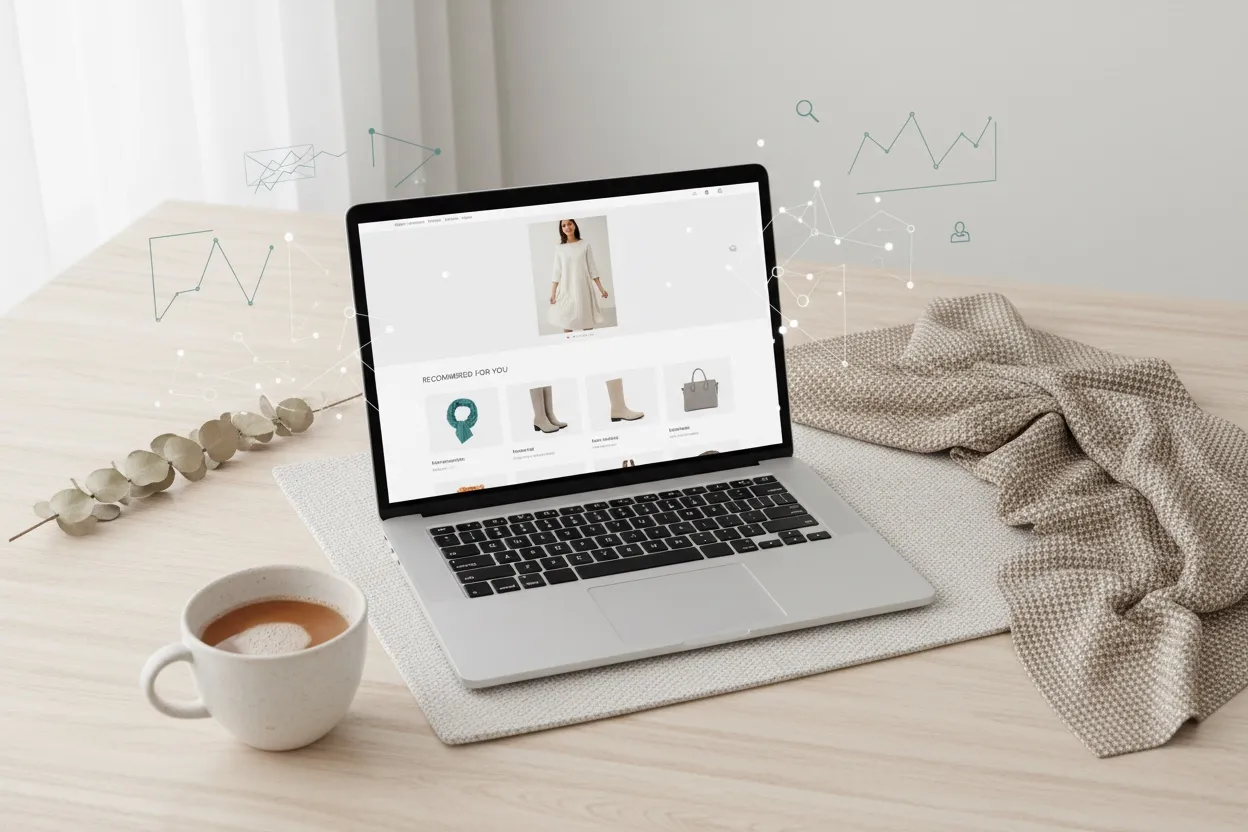
- Use post-purchase flows to recommend products that go with what the customer just bought. If someone buys a child’s hat, suggest matching accessories or the next season’s alternative.
- Collect first-party data on purpose, through quizzes, preference centres or loyalty sign-ups, so your personalisation improves over time without relying on third-party cookies.
We build Klaviyo segments and flows from your Shopify data, and measure the revenue the flows bring in, as part of our AI services for Shopify merchants. If your store needs a rebuild first, see our Shopify Plus development work.
Final thought
Personalisation is now the standard shoppers expect, not an extra. The brands that invest in understanding their customers, build up their own first-party data and make every touchpoint relevant are the ones best placed to grow.
Start small: one segment and one post-purchase flow, then measure the revenue they bring in before you add the next. If you want help deciding what to personalise first, talk to us about your Shopify store.